

No products in the cart.
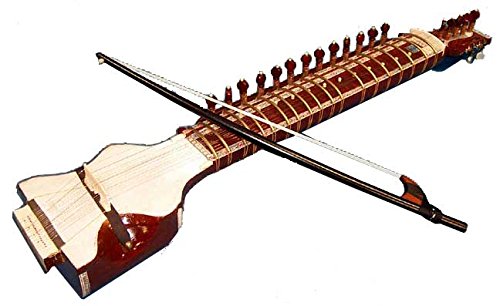


Dilruba with Bow Special Model
$163.00
Description
| Component | Description | Function/Impact on Sound |
| Bowing | Played with a dedicated Bow (often horsehair or synthetic fiber), which produces the sustained, vocal-like melodies and deep emotional expression characteristic of Indian music. | Crucial for the meend (portamento or glide) technique, where the musician slides their finger along the string to achieve microtonal nuances. |
| Main Strings | Typically features 4 to 6 main metal strings. Only the leftmost string is usually played with the bow; the others serve as drone strings. | These are the strings manipulated by the left hand to play the melody, requiring pressure against the frets. |
| Sympathetic Strings | Features 15 to 20 sympathetic strings (taraf). These run beneath the frets, close to the soundboard. | These strings are not bowed but vibrate in resonance with the notes played on the main strings, giving the Dilruba its characteristic rich, echoing, and complex layered sound. |
| Neck | Has a long, sitar-like neck equipped with around 20 movable metal frets. | Unlike the sitar, where the string is pressed down to the fret, the Dilruba player presses the string slightly behind the fret, allowing for the sliding meend technique. |
| Resonator (Soundbox) | A hollowed-out wooden chamber (often made from high-quality Tun Wood or Mahogany) covered with a stretched piece of goatskin (like a sarangi). | Provides the characteristic resonance and tone, which is generally more mellow and softer than a sitar. |
| Special Model | This designation implies superior quality, such as aged, seasoned wood, beautiful inlay work, high-grade brass fittings, and often includes a higher-quality horsehair bow and a sturdy fiberglass hard case. | Ensures better tonal quality, stability, and durability for professional use and travel. |
Reviews (0)
Only logged in customers who have purchased this product may leave a review.
Reviews
There are no reviews yet.






-
(0 customer reviews)