

No products in the cart.
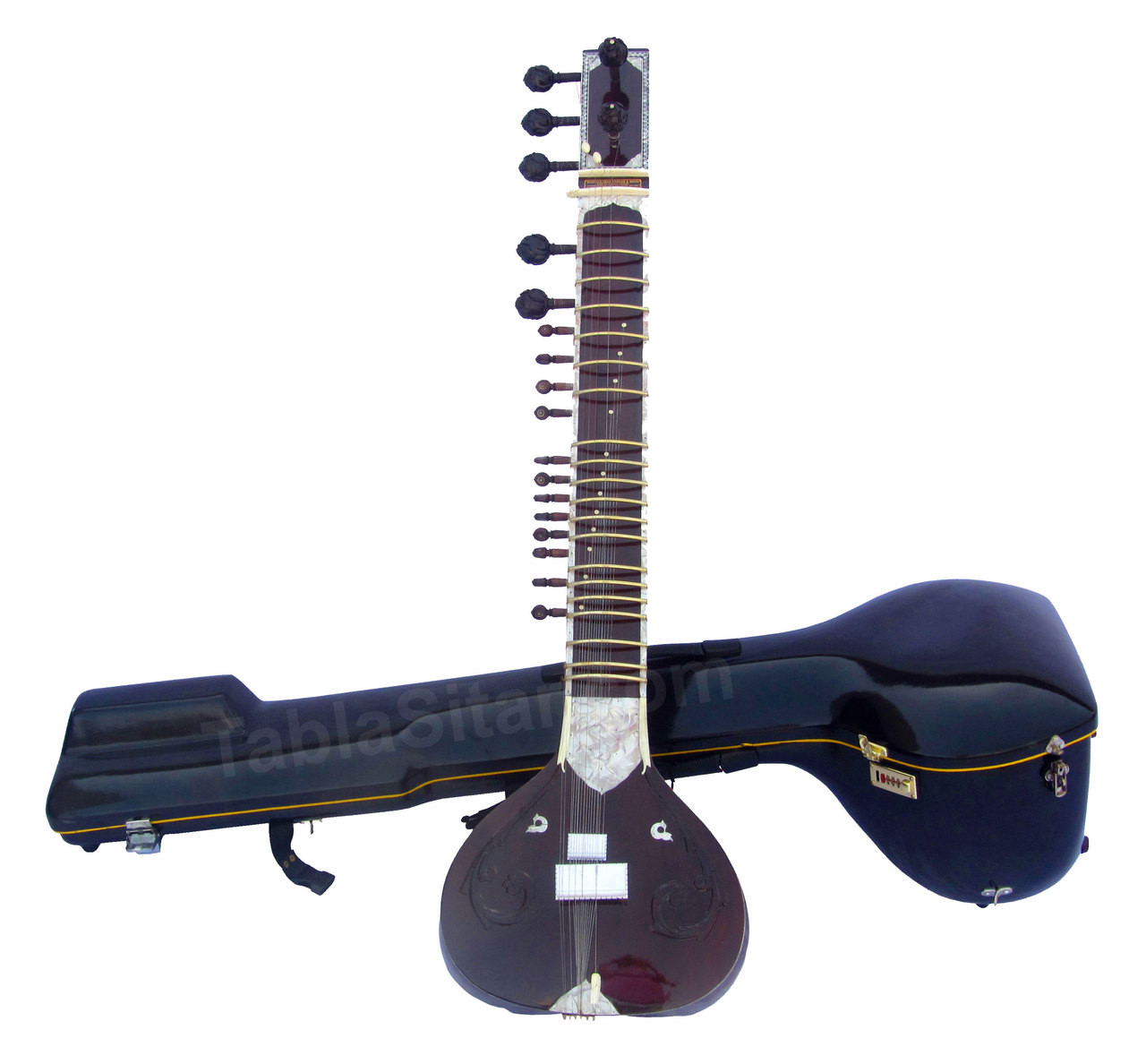
Sitar Munda With Hard Case Professional Model
Sitar Munda With
Hard Case
Professional
Model
$649.00


Sitar Munda With Hard Case Professional Model
$649.00
Description
| Component | Description | Function/Impact on Sound |
| Munda Style Design | The defining characteristic is the lack of a secondary upper gourd (tumba), which is standard on many double-gourd (e.g., Vilayat Khan or some Ravi Shankar) sitars. | The instrument relies entirely on the main lower gourd for resonance, often resulting in a tone that is slightly more focused, dry, and less sustained than a double-gourd model. |
| Gourd (Tumba) | A single, large resonator made from dried pumpkin or calabash. | Provides the core volume and bass response. In a professional Munda model, the gourd is typically of exceptional quality and perfectly cured. |
| Strings Configuration | Generally maintains the standard configuration of 7 playing strings (including melody and chikari) and 11 to 13 sympathetic strings (taraf). | Provides the necessary range for Raga performance and the characteristic shimmering jhawari (buzzing effect) sound. |
| Neck and Frets | Features the standard long, wide neck with movable metal frets (18 to 20) tied on with thread. | Allows the player to achieve the extensive note-bending (meend) technique essential to Hindustani music. |
| Professional Model | Implies the highest grade of materials, including aged Tun wood for the neck, precise fret placement, and superior quality metal parts and pegs. | Guarantees excellent tuning stability, superior sound projection, and reliable playing action, necessary for professional use. |
| Hard Case | Included for protection. A durable, custom-fitted fiberglass or high-quality plywood case is standard for professional instruments. | Essential for protecting the delicate instrument during travel and handling. |
Reviews (0)
Only logged in customers who have purchased this product may leave a review.
Reviews
There are no reviews yet.






-
(0 customer reviews)